Equipment Reaching Lifecycle End? 10 Proven Strategies For Effective Equipment Management
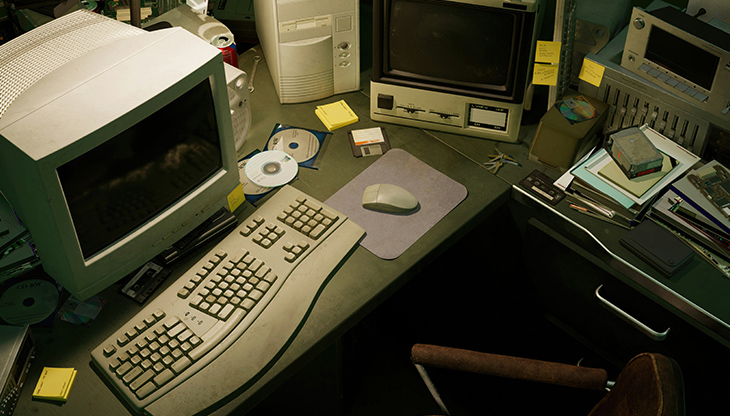
In 2025, managing equipment reaching lifecycle end is more critical than ever. This is because outdated systems can lead to increased maintenance costs, further reducing equipment performance. All of it ends up disrupting essential business operations. However, studies show that predictive maintenance technologies can lower equipment maintenance expenses by up to 40%. That highlights their value in effective equipment management strategies.
Therefore, adopting a proactive approach to equipment lifecycle management is essential. Businesses can do it by reducing wear and tear by implementing asset management systems using predictive maintenance. Moreover, they can collaborate with original equipment manufacturers while optimizing the product lifecycle management process. They can opt for strategies like preventive maintenance schedules and real-time monitoring to improve operational efficiency and can significantly extend the equipment lifecycle phase.
This article will explore 10 excellent equipment reaching life cycle end strategies that can help businesses stay ahead of these challenges Read on to learn more.
10 Proven Strategies For Effective Equipment Management
Businesses need to have a practical strategy for disruptions and extend the usability of critical assets when equipment reaches its lifecycle end. Here are 10 proven strategies to optimize equipment lifecycle management and maintain maximum performance:
1. Connect Equipment Procurement to Business Strategy
One of the most important strategies for effective equipment management is aligning equipment purchases with your business’s operational goals. For instance, if your business goal is to reduce downtime, you need to prioritize equipment designed for reliability and durability.
Moreover, understanding the phase of the equipment lifecycle helps you select tools that align with long-term productivity goals. Asset management tools like Teqtivity can assist you in planning procurement by providing real-time analytics on usage and performance.
2. Maintain a Comprehensive Equipment Inventory
Businesses also need to understand that an accurate inventory prevents over-purchasing and under-utilization, which can otherwise escalate maintenance costs. Moreover, maintaining records of each piece of equipment makes it easy to monitor its condition and schedule maintenance effectively.
That’s why recent reports suggest that the global asset tracking and monitoring market, which is currently estimated at USD 25.58 billion in 2024, will soon grow at a rate of 13.91%, reaching $47.33 billion by 2029.
3. Utilize Predictive Maintenance for Better Planning
Another excellent strategy is using predictive maintenance for planning. It uses data to forecast when equipment will need servicing and minimizes unplanned downtime. Moreover, businesses can integrate solutions with features like predictive analytics to ensure timely interventions, allowing them to save on costs and improve overall equipment performance.
4. Implement Preventive Maintenance Schedules
Preventive maintenance is as important of a strategy as predictive maintenance. While predictive approaches focus on forecasting, preventive maintenance schedules offer regular servicing based on time or usage. Moreover, this strategy avoids unnecessary wear and tear, extending the life cycle of equipment.
For instance, scheduling routine lubrication for industrial tools can prevent costly breakdowns. Therefore, integrating preventive methods as part of your equipment lifecycle management strategy is key.
5. Monitor Equipment Performance and Usage
Another strategy is to monitor equipment performance which can help businesses identify underperforming assets before they become liabilities. Monitoring tools can also reveal inefficiencies like frequent malfunctions or energy overuse.
For instance, IoT-based monitoring systems can track usage patterns which enable timely upgrades or replacements. Moreover, advanced solutions offer real-time monitoring capabilities, helping businesses maintain operational excellence.
6. Optimize Equipment Maintenance Costs
It is highly significant to reduce maintenance costs without compromising performance. A study revealed that companies optimizing maintenance saw operational cost reductions of up to 40%. Some strategies like utilizing in-house repair teams or bulk purchasing replacement parts from original equipment manufacturers (OEMs) can reduce expenses.
7. Plan for End-of-Life Disposal or Replacement
When equipment reaches lifecycle end, there needs to be a plan for its replacement or disposal. So, you need to assess whether recycling, acquiring new machinery, or upgrading parts aligns better with their goals.
Moreover, sustainable disposal can minimize waste and also qualify your business for eco-incentives. Using product lifecycle management tools for that purpose can simplify decision-making, ensuring you stay aligned with both environmental and operational goals.
8. Using Technology for Asset Management
Adopting advanced technology for asset management also streamlines a business’s equipment tracking, scheduling, and optimization. For instance, cloud-based systems integrate with existing business workflows to provide a centralized view of all assets. Moreover, such systems help improve efficiency, reduce manual errors, and ensure that maintenance schedules are followed the right way.
9. Collaborate with Original Equipment Manufacturers (OEMs)
Another effective equipment management strategy is partnering with equipment manufacturers to ensure access to genuine parts and expert servicing. That’s because OEMs often offer extended warranties or service packages, which reduces maintenance costs over time.
10. Regularly Review and Update Equipment Management Systems
Regular reviews of your equipment management systems are necessary to ensure they align with evolving business needs. That’s important because an outdated system can hinder operational efficiency. However, advanced platforms like Teqtivity provide scalability and features such as predictive analytics and IoT integration that help businesses operate efficiently. Furthermore, studies indicate that businesses that update their systems every five years report improvement in efficiency.
Benefits of Effective Equipment Management
A strategic focus on equipment lifecycle management ensures long-term sustainability and enhances efficiency for any organization. Below are the key benefits of managing equipment effectively:
- Extends the life of a piece of equipment through preventive maintenance, reducing wear and tear during the phase of the equipment.
- Minimizes disruptions by ensuring that equipment reaching lifecycle end is replaced or repurposed timely.
- Boosts equipment performance by identifying issues early through predictive maintenance.
- Reduces maintenance costs and unplanned downtime using a solid equipment lifecycle management strategy.
- Enhances business operations by aligning the maintenance schedule with the business’s operational demands.
- Optimizes resources through effective asset management and product lifecycle management.
- Maintains compliance by following original equipment manufacturer guidelines for reliable upkeep.
- Avoids breakdowns and operational delays by implementing an equipment maintenance plan.
- Supports industrial equipment lifecycle management by using a solid management system for planning and execution.
- Ensures longevity by streamlining communication with equipment manufacturers for part replacements or upgrades.
Overall, effective equipment lifecycle management is crucial for businesses to remain competitive and reduce operational costs. By implementing the strategies mentioned above, businesses can optimize their equipment performance and ensure long-term sustainability.
Key Takeaways
Read the key takeaways of the article before leaving:
- Implement predictive and preventive maintenance to extend equipment life and optimize its performance.
- Regularly review asset management systems for efficiency improvements.
- Collaborate with OEMs for expert servicing and cost-effective part replacements.
- Track equipment performance enhances operational reliability and avoids costly downtime.
Teqtivity’s Role in Effective Equipment Lifecycle Management
Teqtivity empowers businesses to handle equipment reaching lifecycle end efficiently through its advanced features. So, now, businesses can streamline replacement or repurposing processes while maintaining operational efficiency with Teqtivity’s predictive analytics, seamless end-of-life workflows, and real-time asset tracking. Moreover, its customizable lifecycle management features help reduce costs, enhance compliance, and minimize downtime.
Do you wanna take control of your asset management strategy today? Optimize the lifecycle of your equipment and ensure every piece operates at peak performance. Request a demo now to see how Teqtivity can simplify your operations and maximize your asset value!