IT Asset Management: A Powerful Tool for Risk Management in Banking
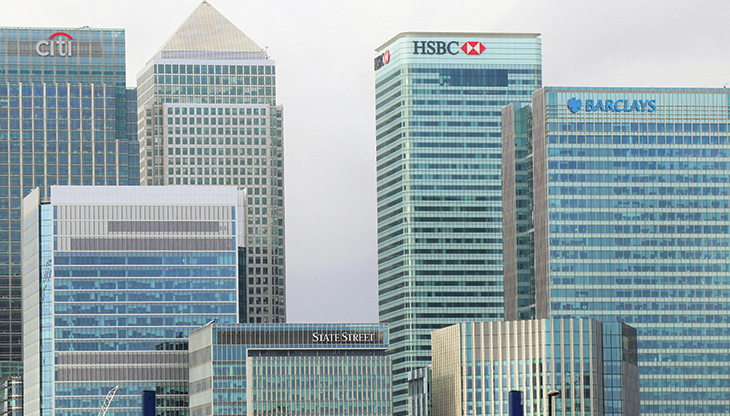
The financial services industry operates in a world of constant risk. Banks manage sensitive financial data and transactions daily, making robust IT security and risk management an absolute necessity. This is where IT Asset Management (ITAM) comes in.
What is ITAM?
ITAM is a strategic approach to managing the entire lifecycle of an organization’s IT assets, encompassing hardware, software, networks, and more. In the banking sector, effective ITAM is crucial for several reasons:
- Inventory Management: ITAM tools provide a comprehensive view of all IT assets, ensuring every hardware and software component is accounted for. This transparency helps identify obsolete or redundant assets that could pose security risks.
- Cost Control: By tracking assets, banks can avoid unnecessary purchases and optimize existing resources. This reduces costs and minimizes the risk of “shadow IT,” where unapproved software and hardware can introduce vulnerabilities.
- Compliance and Auditing: Regulatory compliance is paramount in banking. ITAM helps ensure all assets comply with relevant regulations and standards. It also simplifies audits by providing detailed asset history and usage records.
IT Risks in Banking
Banks face a multitude of IT risks that can disrupt operations, compromise data security, and damage their reputation. These include:
- Cybersecurity threats (malware, phishing, ransomware)
- Data breaches and unauthorized access
- System failures and downtime
- Regulatory non-compliance
- Obsolete or unsupported hardware/software
- Shadow IT and unmanaged assets
The increasing complexity of banking IT systems further elevates these risks.
How ITAM Improves Risk Management
ITAM tools play a vital role in mitigating these risks:
- Enhanced Visibility and Control: ITAM offers a comprehensive view of all assets, enabling banks to identify potential vulnerabilities, unauthorized devices, or outdated systems. This allows proactive mitigation before problems escalate.
- Improved Compliance Management: Financial institutions are subject to numerous regulations (e.g., GDPR, PCI DSS). ITAM helps them maintain compliance by tracking software licenses, ensuring proper data handling, and providing audit trails.
- Efficient Lifecycle Management: By tracking the entire asset lifecycle, ITAM helps banks identify and replace aging hardware or outdated software before they become security liabilities. This minimizes system failures and security breaches associated with obsolete technology.
- Vendor Risk Management: ITAM provides insights into third-party software and services used by the bank. This information is crucial for assessing and managing vendor-related risks, ensuring external IT components meet the bank’s security standards and compliance requirements.
- Cost Optimization and Resource Allocation: ITAM helps banks optimize IT spending by providing a clear picture of IT assets and their usage. This allows for more resources to be allocated to critical areas of risk management, such as cybersecurity initiatives or system upgrades.
- Incident Response and Recovery: Accurate data from ITAM records proves invaluable during a security incident or system failure. It provides details about affected assets, configurations, and dependencies, enabling faster and more effective incident response and recovery.
- Shadow IT Detection: ITAM helps identify unauthorized or undocumented IT assets (shadow IT) that pose security risks. Bringing these assets under management ensures they meet security standards and compliance requirements.
- Strategic Decision-Making: The real-time and comprehensive data provided by ITAM supports informed decision-making about IT investments, upgrades, and risk mitigation strategies. This strategic approach helps banks stay ahead of evolving threats and technological changes.
Conclusion
By providing a clear picture of the IT asset landscape, ensuring compliance, and supporting security measures, ITAM tools are essential for proactive risk management in banks. As digital transformation continues to reshape banking, robust ITAM practices will only become more critical, enabling banks to navigate the complexities of the modern technological landscape securely and efficiently.