10 Common Inventory Management Problems and How to Solve Them
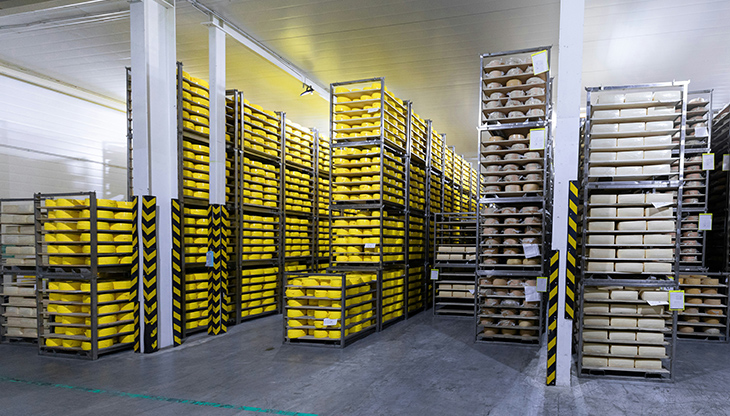
Do you know that businesses lose an estimated $1.77 trillion globally each year due to poor inventory management?
Therefore, managing inventory efficiently is not just about tracking stock; it’s a fundamental part of a successful business strategy. Without proper systems in place, it can lead to reduced profits, unhappy customers, and frequent operational disruptions that can ultimately harm the business’s overall success.
In this article, we’ll explore 10 common inventory management problems that businesses face and provide practical solutions to overcome them. By identifying these challenges, you can implement strategies to improve efficiency and streamline operations effectively. So, let’s get started!
Impact of Poor Inventory Management
Ineffective inventory management disrupts workflows, creates overhead costs, and strains customer and operational relationships.
- Financial Implications: Overstocking increases carrying costs while stockouts cause revenue loss, with global excess inventory costing $250+ billion annually.
- Customer Satisfaction Effects: Product unavailability or delays frustrate customers, diminishing trust and damaging a brand’s market reputation over time.
- Operational Inefficiencies: Manual processes waste time and cause stock errors, leading to delayed operations and reduced overall productivity.
To help you better understand these challenges, here is a concise table summarizing inventory management problems and their solutions, followed by a section exploring these issues in greater detail.
Common Inventory Management Problems and Solutions
| Inventory Problem | Teqtivity Solution |
|---|---|
| Inaccurate Tracking | Teqtivity offers real-time asset tracking through its advanced cloud-based system, incorporating barcode scanning and RFID tagging to ensure instant updates on all assets. |
| Overstocking | By using analytical tools and inventory management software, Teqtivity helps align inventory levels with actual demand, optimizing stock and reducing excess storage costs. |
| Stockouts | Teqtivity minimizes the risk of stockouts with automated inventory tracking tools and timely restocking alerts, maintaining consistent inventory levels. |
| Poor Visibility | To address visibility challenges, Teqtivity provides integrated dashboards that allow real-time monitoring of inventory levels across multiple locations, ensuring cohesive and centralized management. |
| Inefficient Warehouse Management | Teqtivity creates seamless workflows by providing real-time IT asset tracking and lifecycle management, streamlining processes from asset procurement to disposal. |
| Lack of Real-Time Data | With its cloud-based inventory management solutions, Teqtivity delivers live updates and analytics, empowering quick decision-making and enhancing inventory control. |
| Manual Data Entry Errors | Teqtivity’s automation features eliminate manual tasks, simplify workflows, and greatly reduce the likelihood of errors in inventory management. |
| Poor Demand Forecasting | Teqtivity offers robust data analysis tools that assist in making informed inventory decisions. |
| Ineffective Supplier Management | Teqtivity supports supplier management indirectly by providing features for tracking asset lifecycles, ensuring a streamlined approach to procurement planning. |
| Lack of Integration | Teqtivity seamlessly integrates with platforms like Jamf, Intune, Google Workspace, and Jira, offering comprehensive asset and inventory management solutions. |
Let’s take a closer look at these challenges in inventory management and how Teqtivity provides customized solutions for each.
1. Inaccurate Inventory Tracking
Incorrect inventory data continues to be a common struggle for many businesses. Often, these challenges arise from errors during manual entry or delays in updating stock movements. Such inaccuracies lead to mismatched inventory levels, reduced visibility, and slower decision-making processes.
To overcome this, businesses can adopt advanced tools like RFID or barcode systems for real-time data tracking. These technologies reduce human errors, speed up updates, and simplify inventory management processes. This not only ensures precise updates but also equips businesses with actionable insights to improve their operations.
2. Overstocking
The issue of excess inventory is not uncommon and typically results from reactive ordering rather than data-driven planning. This increases costs by tying up working capital while also straining valuable warehouse space.
Therefore, adopting demand forecasting strategies based on data analytics allows businesses to predict customer needs more accurately. Consequently, companies can maintain optimal stock levels while avoiding waste from overstocking.
To overcome this problem, businesses can utilize analytical tools like inventory management software to minimize such risks. Teqtivity, for instance, provides many features that help businesses align inventory levels to actual demand, ensuring resources are managed efficiently. All this can help organizations reduce costs, improve resource utilization, and achieve better inventory management outcomes.
3. Stockouts
Running out of stock creates issues such as delayed order fulfillment and damage to customer trust. Similarly, stockouts often occur due to poor planning, delayed restocks, or a lack of predictive inventory controls.
To avoid this, setting safety stock levels and adopting automated reorder point systems are essential as it can help businesses maintain consistent inventory levels. This ensures that requirements are met during peak periods or unexpected surges in demand.
In fact, automated solutions like Teqtivity’s inventory tracking tools further minimize these risks by offering timely restocking alerts. This allows businesses to efficiently manage their inventory and make informed decisions that keep operations running smoothly.
4. Poor Visibility Across Multiple Locations
Managing inventory data scattered across various locations presents unique challenges for businesses. Without unified systems, it becomes difficult to monitor stock movement effectively or ensure transparency in inventory levels.
To solve this, companies can use centralized platforms that can bring inventory data from all locations together, allowing businesses to manage operations cohesively. This builds clarity in stock distribution and simplifies cross-location planning.
Teqtivity also provides integrated dashboards that offer real-time visibility into inventory levels across multiple sites. It allows businesses to monitor movement effectively and address inventory management problems with greater accuracy.
5. Inefficient Warehouse Management
Disorganized warehouses further contribute to delays in stock movement and increased operational costs. Such inefficiencies not only waste employees’ time but also compromise timely delivery, ultimately affecting customer satisfaction.
Consequently, streamlining workflows and improving storage layouts with modern inventory management systems can address these challenges. These approaches improve accessibility, speed up processes, and reduce handling errors within the warehouse, which directly impacts overall productivity.
Teqtivity’s inventory management tools connect seamlessly with warehouse operations. By aligning workflows, these solutions enable businesses to create more efficient processes, from receiving goods to dispatching them accurately.
6. Lack of Real-Time Data
Delayed or outdated data often limits a business’s ability to respond swiftly to challenges or identify new opportunities. This deficit in inventory data can result in both short-term inefficiencies and long-term operational gaps.
To counter this, businesses can implement cloud-based platforms that allow businesses to sync data in real-time. Such systems deliver immediate access to updated inventory records, empowering businesses with accurate insights for timely decision-making.
For example, Teqtivity enhances this process with cloud-based inventory management solutions. These tools deliver live updates and analytics, allowing businesses to act quickly and maintain better control over their inventory management problems.
It can lead them towards smarter, more proactive responses to challenges in the supply chain. In turn, this could help businesses maintain a competitive edge and improve customer satisfaction.
7. Manual Data Entry Errors
Manual entry processes are prone to mistakes such as missed updates or incorrect information. These errors disrupt inventory controls and often lead to a cascading effect across other operational workflows.
The best way to avoid this is by automating data entry and asset tracking with technologies like barcode scanners or RFID readers minimize such errors. These tools ensure inventory records are accurate while significantly speeding up the tracking process.
Automation features within inventory management systems, such as those available in Teqtivity, simplify workflows. By reducing manual tasks, businesses can encounter fewer errors, achieve smoother operations, and address their inventory challenges more effectively.
8. Poor Demand Forecasting
When businesses fail to account for upcoming trends or seasonal demand shifts, they risk either overstocking or understocking. This imbalance compromises their ability to maintain stock levels and meet customer demand effectively.
Combining historical sales records with real-time market data helps to address these issues. As a result, businesses are able to align their forecasting models to better match shifts in customer needs and seasonal variations.
Using predictive analytics within tools, businesses can gain deeper insights into demand patterns. This allows them to manage inventory more proactively and reduce the guesswork in forecasting decisions.
9. Ineffective Supplier Management
Unreliable suppliers can destabilize the supply chain, causing delays and inconsistencies that impact product availability. Without performance tracking, businesses remain disadvantaged and unable to address these reliability issues effectively.
To maintain stability, companies should actively monitor supplier metrics and foster healthy working relationships. Consistent engagement with suppliers ensures smoother stock replenishment cycles and improves overall supply chain performance.
Implementing supply chain management systems supports businesses in tracking supplier performance and improving collaboration. These tools enhance communication, helping companies resolve delays and achieve better reliability.
10. Lack of Integration with Other Systems
Disconnected software systems create operational silos, slowing team workflows and reducing efficiency in processes like order tracking and inventory control. This misalignment makes it difficult to synchronize various business operations effectively.
To address these challenges, businesses can implement platforms that integrate with other systems, such as ERP, CRM, or e-commerce solutions.
This integration ensures robust inventory management and unified data across all teams. Well-integrated tools improve visibility and streamline cross-departmental workflows, enhancing overall operational efficiency.
Moreover, solutions designed for seamless integration further bring disparate systems together for cohesive management. For example, Teqtivity can be integrated with Jamf, Intune, Google Workspace, and Jira for comprehensive asset management. These tools help businesses align processes end-to-end, promoting efficiency and addressing common inventory management problems effectively.
Key Takeaways
Before leaving, read the key takeaways from the article:
- Implementing advanced tools, such as Teqtivity’s cloud-based inventory management solutions, can help businesses address common inventory management challenges and enhance efficiency.
- Predictive analytics and demand forecasting are essential for preventing stockouts and overstocking, allowing businesses to optimize their resources effectively.
- Automation reduces manual errors, ensuring accurate data and enabling smooth operations at all levels of inventory management.
- Centralized systems improve visibility and streamline the management of inventory across multiple locations.
- Teqtivity’s integration capabilities make it easy to incorporate with existing systems for improved workflows.
Discover how Teqtivity can assist your business in streamlining inventory management and improving your bottom line. Request a demo today and explore the possibilities of efficient, data-driven inventory solutions tailor-made for success.