Asset Tracking Best Practices – Optimization Techniques For 2025
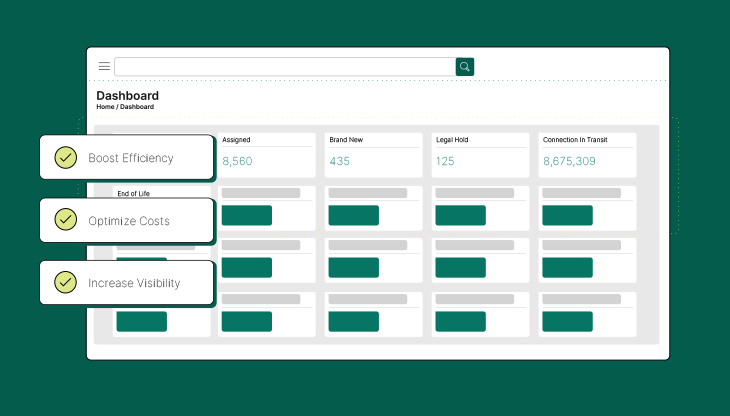
With current technological advancements, tracking IT assets efficiently has become critical for businesses aiming to save time and money while improving overall performance. A tech report estimated the size of the asset tracking market globally to be USD 25.58 billion in 2024 and to reach USD 47.33 billion in 2029 with a CAGR of 13.09%. The projected growth highlights the importance and need of having an effective asset management system.
Now, companies can use tools such as AI-powered systems, IoT devices, and IT asset-tracking software to monitor their physical assets in real-time and make smarter decisions. It can boost their productivity, help avoid risks, and promote sustainability.
Therefore, this article will talk about strategies for optimizing asset-tracking processes. Moreover, you will get tips to overcome common challenges and save time and money. So, let’s get started.
Understanding Asset Tracking
Asset tracking is the process of monitoring physical assets in real-time to enhance efficiency and reduce costs. It involves monitoring their location, condition, and usage. To simplify their asset management processes, businesses can use tools like Teqtivity, which integrates with existing systems (such as Jira, Jamf, Okta, Microsoft Intune, Slack and more) to automate tracking and provide real-time visibility via technologies like RFID tags, barcodes, or IoT-enabled devices.
Using these technologies provides real-time visibility of your assets and enables businesses to track their assets and minimize losses efficiently. Moreover, effective asset tracking facilitates improved decision-making as it ensures that important information about assets is easily accessible. That way, companies can maximize their hardware asset performance and save costs.
Benefits of Effective Asset Tracking
Let’s take a look at all the other benefits that come with effective asset management:
- Optimizing tracking and management processes reduces manual errors and saves time. It also allows teams to focus on core business operations and boost productivity.
- It can help businesses to prevent asset loss, avoid theft, and minimize downtime with real-time visibility. That’s because properly tracking your assets causes fewer repairs and replacements. Ultimately, this leads to direct cost reductions and better budget management.
- Predictive maintenance also identifies issues early which extends the lifespan of critical assets and ensures they operate at peak performance.
- Accurate and up-to-date asset data simplifies compliance with regulatory requirements, which reduces risks and ensures smoother operations.
Asset Tracking Best Practices for 2025
Below are the asset-tracking best practices that companies can adopt to optimize their tracking systems and maximize returns:
Start with a Risk Assessment
A thorough risk assessment is the foundation of any effective asset-tracking system. This involves analyzing current tracking processes, identifying gaps, and evaluating potential risks. These risks can be asset theft, misplacement, or downtime.
Setting measurable goals during this phase ensures that your tracking system is customized to your business’s specific needs. For instance, you can aim to reduce asset retrieval time by 20% or ensure a high level of accuracy in asset location data.
Use Unique Identification Systems
You can also use technologies such as QR codes and RFID tags as they allow seamless identification and real-time updates. These systems prevent redundancy, eliminate data inaccuracies, and ensure important information about an asset is always accessible. According to stats, proper implementation of RFID asset tracking technology delivers up to 95-99% inventory accuracy and significant labor cost reductions (typically 30-40%).
Moreover, QR codes are cost-effective for many use cases but may not be ideal for all smaller assets depending on the environment or requirements. However, if you have large-scale assets to track, RFID technology is the better option due to its ability to read data without direct line-of-sight. Implementing such asset tagging systems ensures real-time visibility, helping businesses make informed decisions.
Use Asset Management Software
Using modern asset management software like Teqtivity also falls under asset-tracking best practices. These platforms provide features for monitoring, scheduling, and reporting and make asset data easily accessible. While Teqtivity does not directly integrate with IoT sensors, it provides robust IT asset management solutions that can complement IoT-based systems for enhanced capabilities.
Train Employees on Asset Usage and Tracking
A successful asset-tracking system depends on how people use it. That’s why it is important to train employees to use management tools and follow asset-tracking best practices. This includes understanding how to use asset tags, update tracking software, and report discrepancies.
Regular training sessions ensure that employees are equipped to handle challenges and comply with organizational standards. That’s the reason that well-informed staff members contribute to smoother operations and minimize errors in tracking processes.
Regular Maintenance and Audits
Routine maintenance and periodic audits are necessary for asset-tracking systems’ optimization. That’s because scheduled maintenance ensures that all your assets remain in good condition. Moreover, IT audits verify the accuracy of asset data and the efficiency of the system. So, businesses can anticipate potential failures and take proactive measures using predictive analytics.
For instance, IoT sensors can alert managers about declining equipment performance, which allows them to address issues before they escalate. Regular audits also help identify underutilized or obsolete assets, enabling better resource allocation and cost management.
Integrate with IoT and AI Technologies
The integration of IoT and AI-powered analytics is now changing how businesses track their physical assets. Although platforms like Teqtivity do not offer IoT sensors, they provide robust IT asset management solutions that integrate with other systems to track asset conditions, locations, and usage patterns. Then, its AI algorithms analyze this data to provide actionable insights. AI-driven predictive maintenance software can forecast when an asset might fail, allowing businesses to schedule repairs before a breakdown occurs.
Common Challenges in Asset Tracking
While asset tracking offers several benefits, businesses often face challenges when implementing and maintaining these systems. Here are the challenges that need to be fully addressed to realize the full potential of asset-tracking technologies:
1. High Initial Costs
One of the challenges in adopting advanced asset tracking systems is the initial investment. Technologies such as RFID tags, IoT sensors, and asset management software require certain financial commitment. According to a study by Statista, global spending on IoT across industries reached $260 billion in 2024, which reflects the rising cost of implementing cutting-edge technologies. Despite the long-term savings, the upfront expenses can be challenging for small and medium-sized businesses.
2. Data Overload
With advanced tracking comes an overwhelming amount of data. That’s because systems that use real-time visibility and predictive maintenance generate large datasets. So, businesses without the infrastructure or expertise to manage and analyze this information may struggle to derive actionable insights.
3. Resistance to Change
Using new technologies often results in resistance from employees who are used to traditional methods. This reluctance can arise from a lack of training or fear of job redundancy. Overcoming this challenge requires businesses to invest in employee training and better communicate these systems’ benefits.
FAQs
What is the most cost-effective way to track physical assets?
The most cost-effective way to monitor physical assets is by utilizing QR codes and RFID systems paired with cloud-based asset management software like Teqtivity. These technologies provide real-time visibility, optimize tracking processes, and reduce manual errors, which makes them an affordable yet powerful solution for businesses to efficiently manage and track their assets.
How does asset tracking save time and money?
Asset tracking saves time and money by eliminating manual tasks, reducing asset downtime, and preventing losses by offering automated reporting and streamlined inventory management. These efficiencies lower operational costs and enhance productivity, which can help your businesses save time and money while optimizing the performance of their physical assets.
Which industries benefit most from asset-tracking solutions?
IT Industries can mostly benefit from asset-tracking solutions. These industries rely heavily on hardware equipment. IT assets management software helps them in real-time monitoring and efficient resource allocation to manage their physical assets. It prevents them from financial losses, and maintains operational excellence. This results in seamless workflows and reduced costs.
Key Takeaways
Before leaving, read the key takeaways from the article:
- Efficient asset-tracking best practices are important for businesses to save time and money, improve asset performance, and maintain real-time visibility of their physical assets.
- Using QR codes, RFID systems, and asset management software enables better tracking, predictive maintenance, and data-driven decision-making.
- Real-time updates and automated systems minimize downtime, reduce losses, and lower operational costs, optimizing resource allocation and productivity.
- A trained workforce, combined with routine maintenance and audits, ensures the reliability of asset tracking systems and maximizes asset lifespan.
If you want to take control of your assets, Schedule a free demo. We offer cloud-based asset management that provides real-time visibility into your physical assets. So, implementing Teqtivity’s asset tracking system can boost your business’s overall efficiency by overcoming common IT assets tracking challenges and optimizing asset performance.